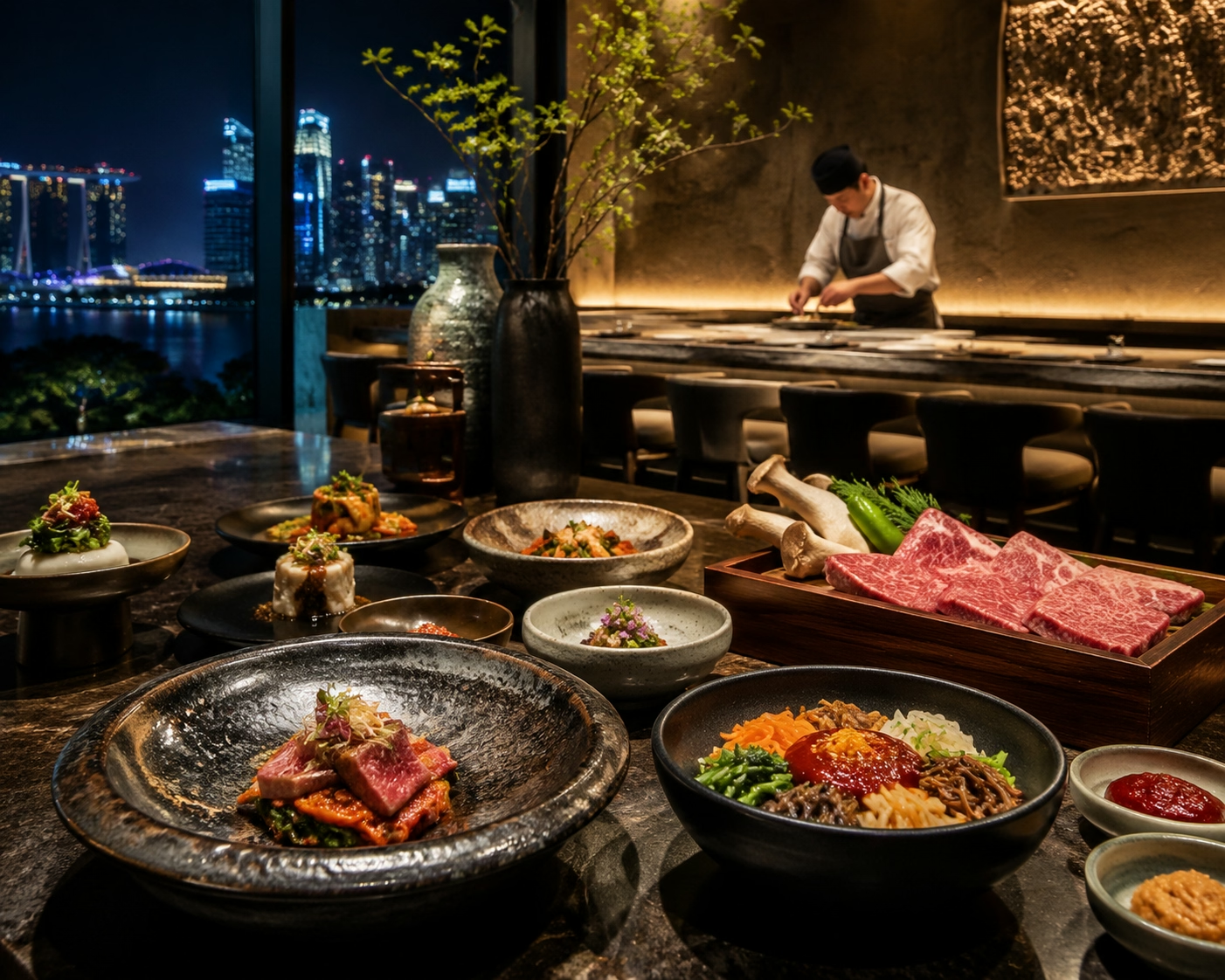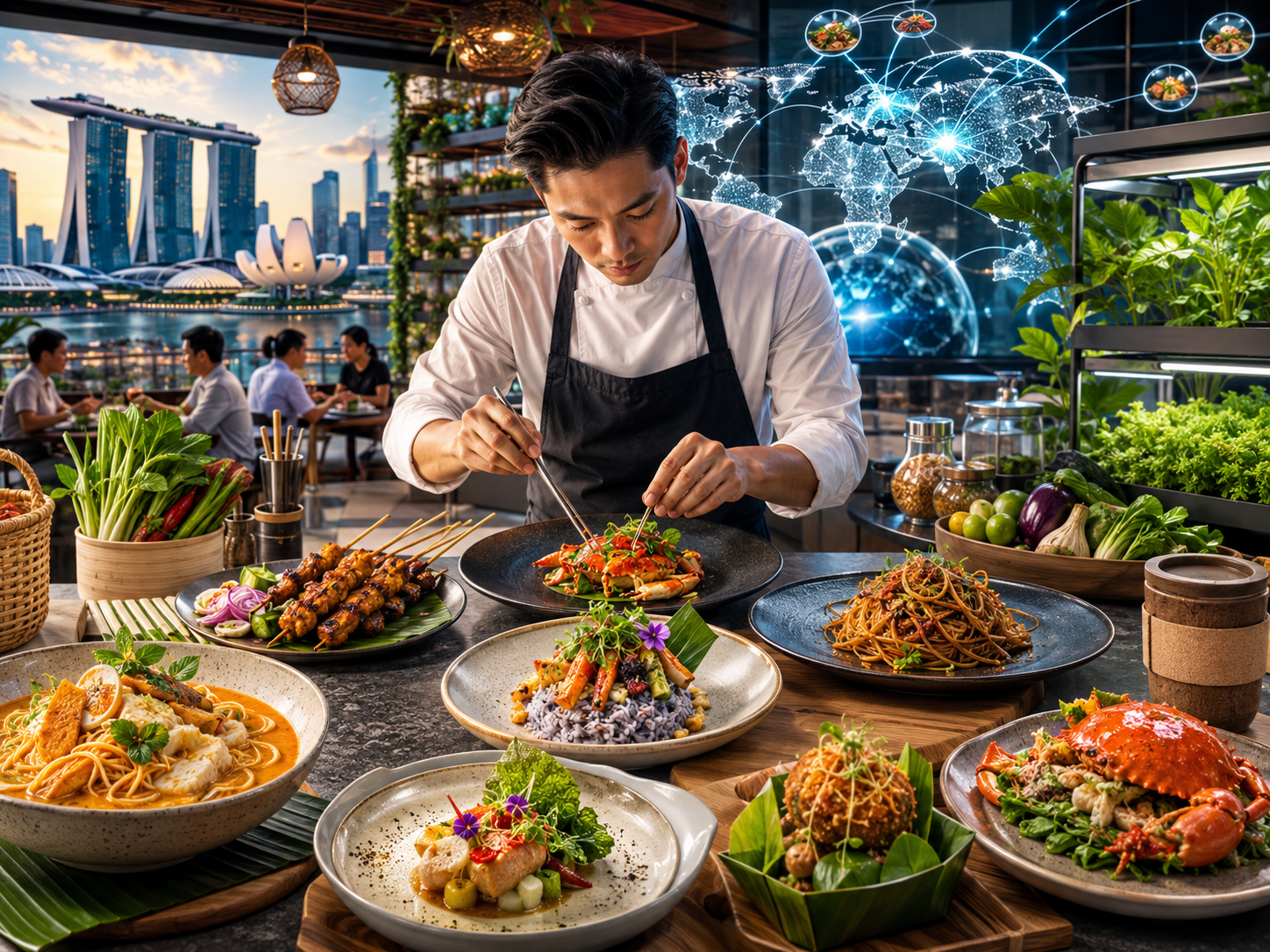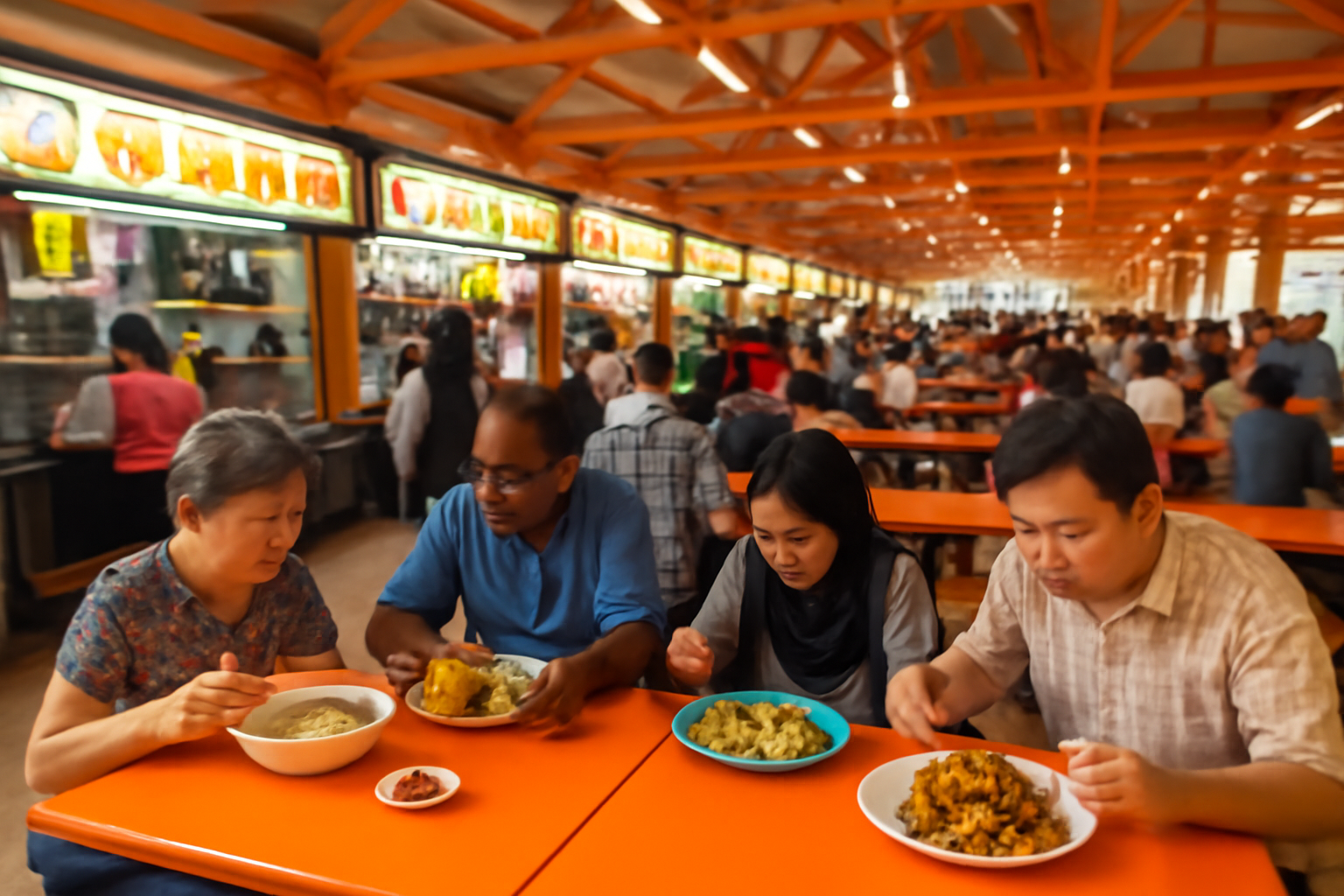
Singaporean cuisine is often described as a meeting point of Malay, Chinese, Indian, Peranakan, Eurasian, and global influences. Dishes such as laksa, nasi lemak, chicken rice, rojak, fish head curry, and kaya toast reflect centuries of migration, trade, adaptation, and creativity. Yet behind these famous flavors lies an increasingly important question: where do the ingredients come from? In a highly urbanized country with limited land, the role of local ingredients in Singapore’s food culture is not only about taste. It is also about freshness, food security, environmental responsibility, and preserving culinary identity.
Local ingredients can improve the quality of Singaporean dishes because freshness directly affects flavor, texture, and nutrition. Herbs such as pandan, lemongrass, laksa leaves, curry leaves, and local varieties of chili are essential in many traditional recipes. When these ingredients are grown nearby or sourced from regional producers with short supply chains, they often reach kitchens faster and in better condition. Fresh pandan gives kaya and desserts a deeper fragrance, while fresh herbs can make broths, sambals, and curries more vibrant. In hawker food, where balance and aroma are crucial, even small differences in ingredient quality can change the entire eating experience.
Using local and nearby ingredients also supports consistency. Chefs, hawkers, and home cooks who know their suppliers can better understand the seasonal character of produce, seafood, and herbs. Instead of relying only on imported items that may vary because of long-distance transportation, local sourcing allows cooks to adapt menus based on freshness and availability. This flexibility is important in Singapore, where traditional dishes are often built on precise combinations of spice, acidity, sweetness, and umami.
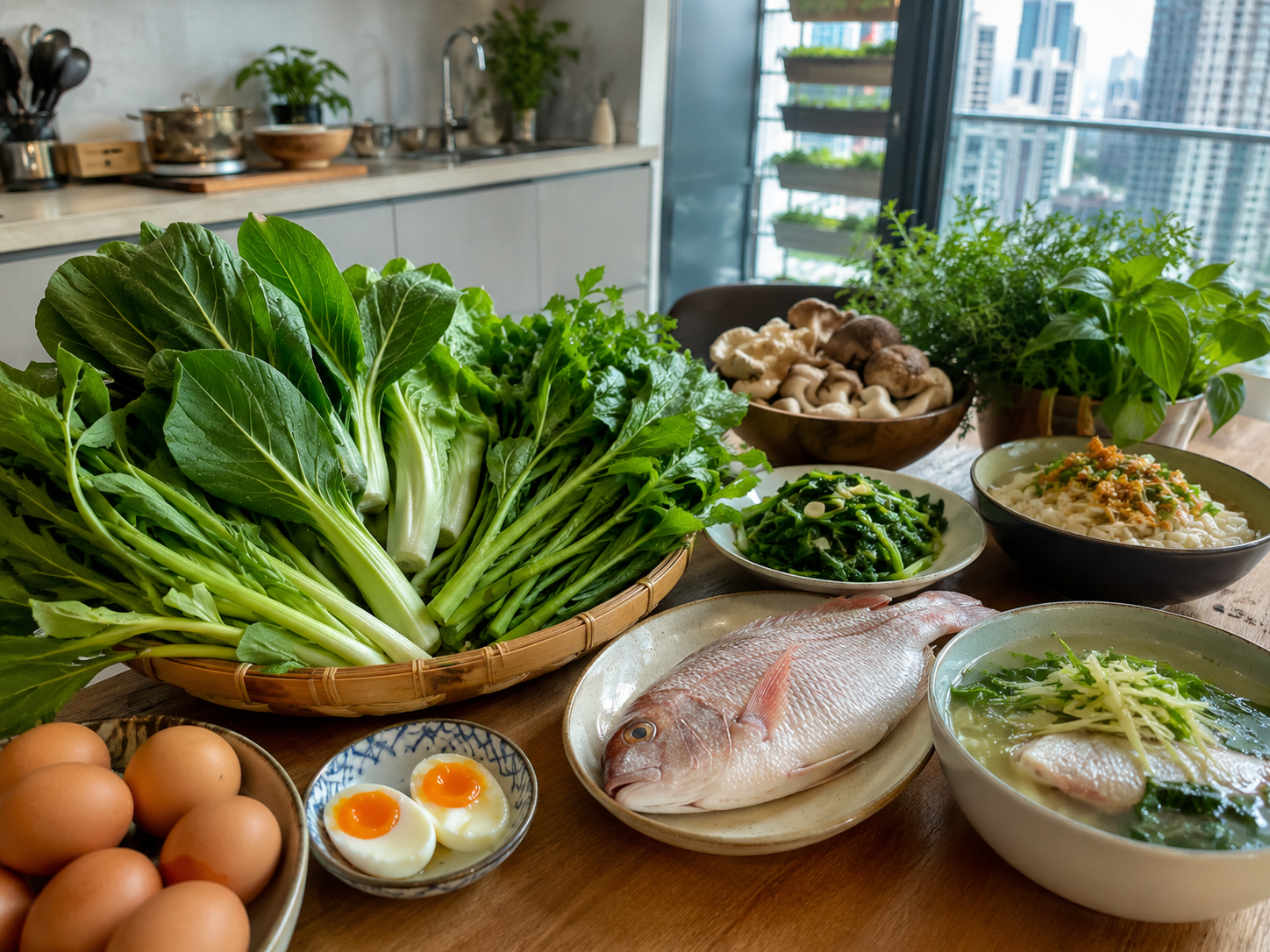
Sustainability is another major reason local ingredients matter. Imported food often requires long transport routes, cold storage, and complex logistics, all of which can increase energy use and environmental impact. Local production, including urban farms, rooftop gardens, hydroponic vegetables, aquaculture, and community gardens, can reduce the distance between producer and consumer. While Singapore cannot produce all its own food, increasing the use of locally grown vegetables, eggs, fish, and herbs can help create a more resilient food system.
Local ingredients are also connected to food security. Singapore has long depended on imports, making it vulnerable to supply disruptions caused by climate change, disease outbreaks, trade restrictions, or rising transport costs. Supporting local farms and producers helps diversify food sources. For restaurants and hawker stalls, this can mean more stable access to essential ingredients. For consumers, it encourages awareness that food availability is not guaranteed simply because supermarket shelves are usually full.
Culturally, local ingredients help protect the authenticity and evolution of Singaporean cuisine. Traditional recipes were shaped by what communities could find, grow, trade, and adapt. When cooks use familiar regional herbs, spices, seafood, and vegetables, they keep a connection to the roots of local food. At the same time, local sourcing encourages innovation. Modern Singaporean chefs are increasingly able to reinterpret classic dishes using locally farmed greens, sustainable seafood, or artisanal products while still respecting traditional flavor profiles.
There is also an economic benefit. Choosing local ingredients supports farmers, fish producers, food artisans, small suppliers, and markets. This strengthens the domestic food ecosystem and creates opportunities for collaboration between growers and chefs. Restaurants can highlight Singapore-grown produce on menus, while hawkers and home cooks can make more conscious choices at wet markets and supermarkets.
Ultimately, local ingredients are not just a trend in Singaporean cooking. They represent a practical and meaningful approach to better food. They enhance freshness, preserve cultural memory, support sustainability, and strengthen national resilience. In a country where food is central to identity, choosing local ingredients is one way to honor the past while preparing for a more responsible culinary future.