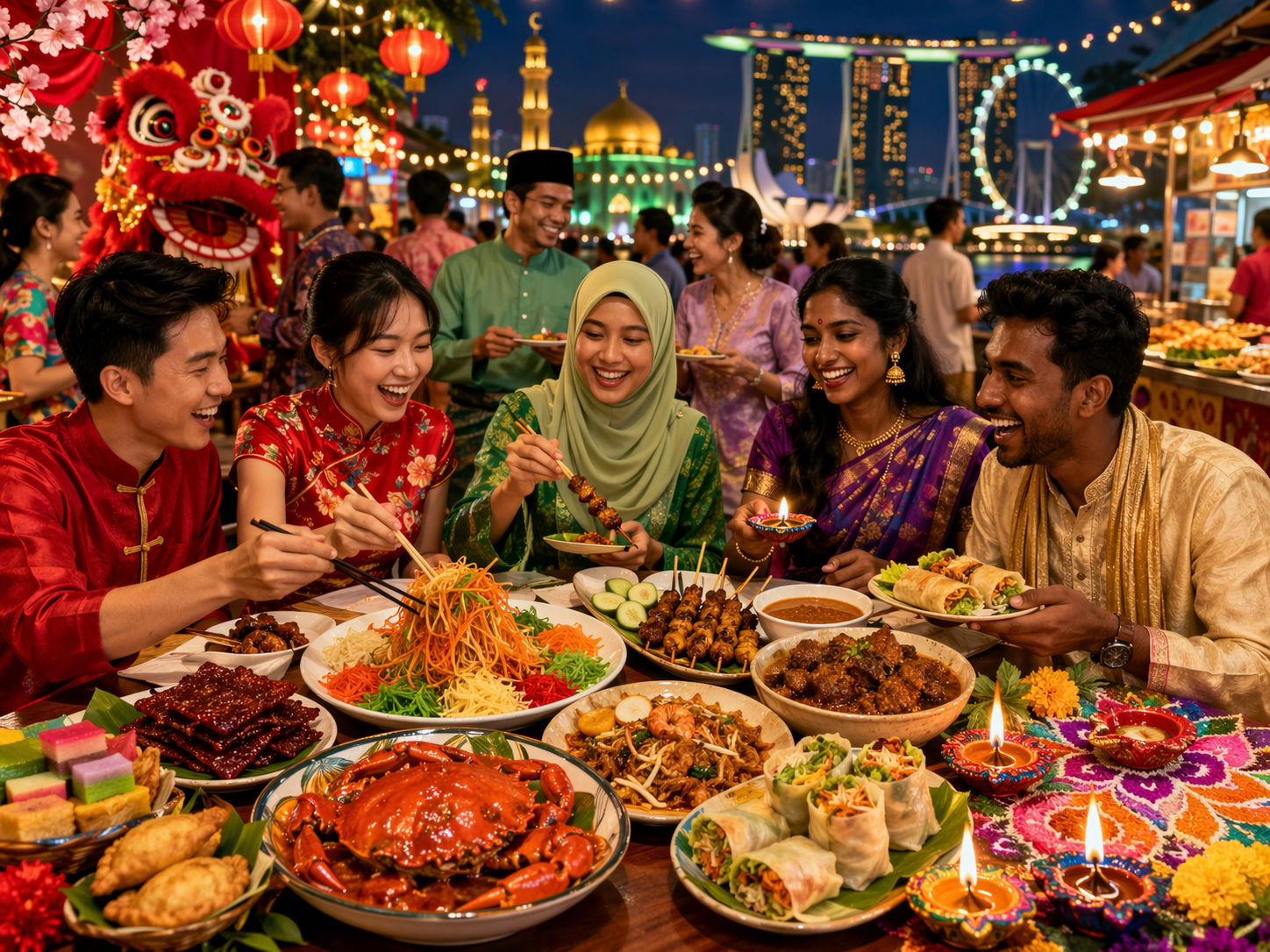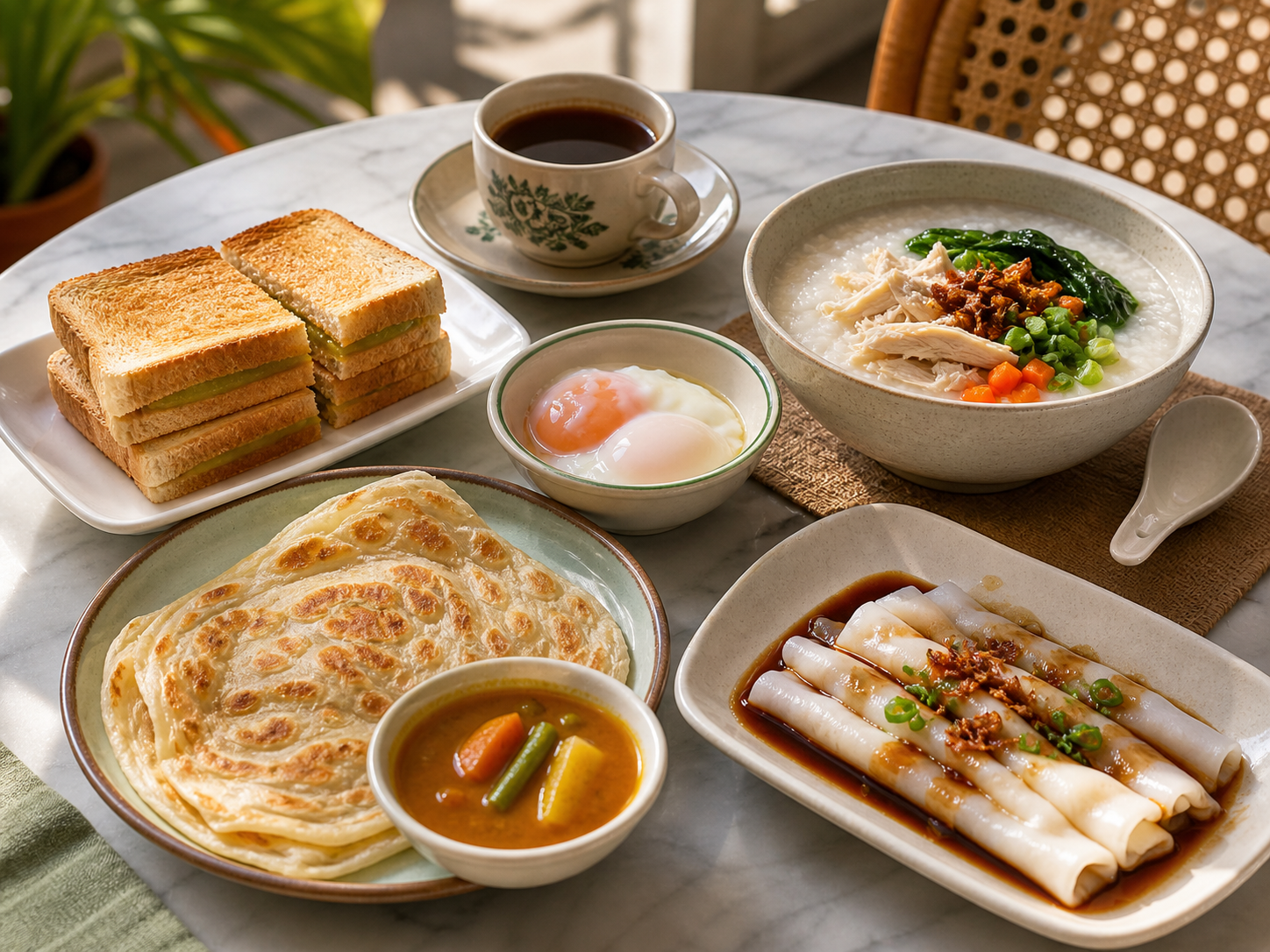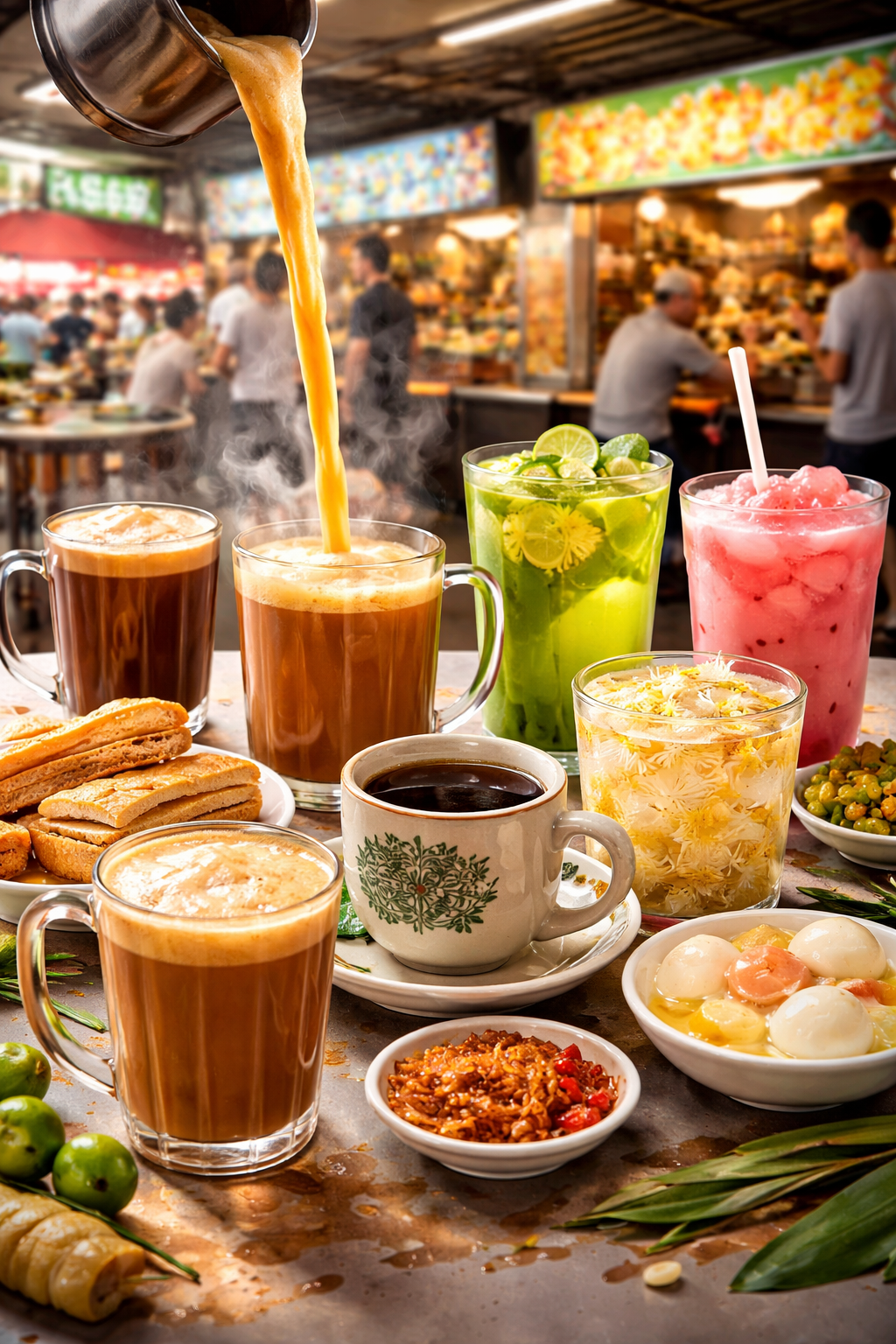
Singaporean cuisine has evolved from a local street food culture into a globally recognized culinary identity. At the heart of this transformation is the hawker center system, where diverse dishes from Chinese, Malay, Indian, and Peranakan traditions coexist. These centers originally served as affordable dining spaces for working-class communities, but over time they became cultural symbols representing Singapore’s multicultural foundation.
As globalization accelerated, Singaporean food began gaining attention beyond its borders. Tourists visiting the country often describe hawker food as a highlight of their experience, leading to international curiosity and demand. Dishes such as Hainanese chicken rice, laksa, and chili crab have become culinary ambassadors, representing Singapore in global food discussions.
One key factor in this international recognition is consistency and standardization. Unlike many street food cultures that vary widely by vendor, Singapore’s hawker system maintains relatively stable recipes and hygiene standards due to government regulation. This reliability makes the cuisine more adaptable to overseas markets, where consistency is crucial for scaling food businesses.
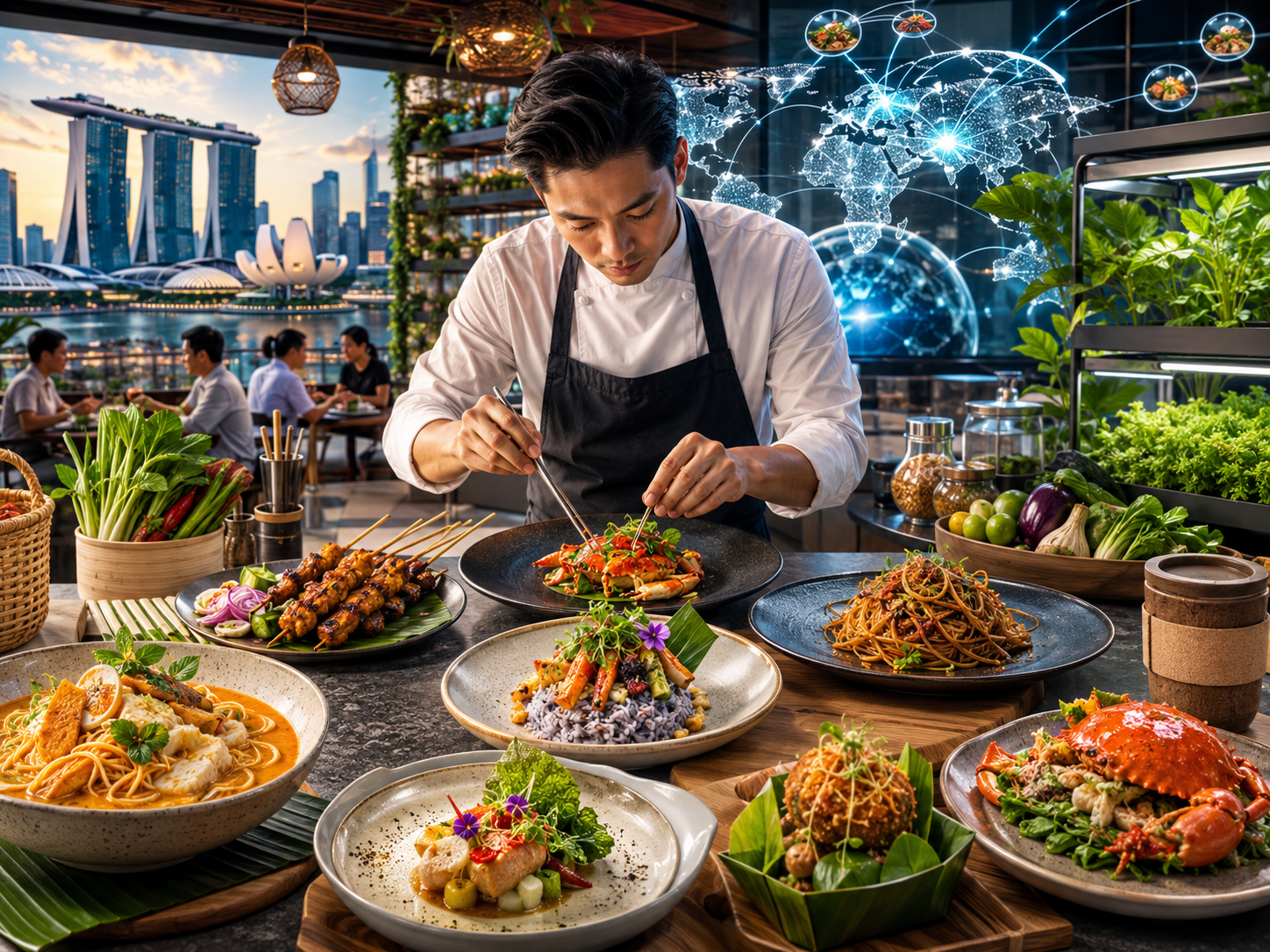
In recent years, Singaporean chefs and hawker brands have begun expanding internationally. Some have opened outlets in cities like London, New York, and Tokyo, introducing authentic flavors to global audiences. However, adaptation is often necessary, as ingredients and taste preferences vary by region. This balance between authenticity and localization is central to the cuisine’s global journey.
Social media has also played a significant role. Platforms showcasing food photography and travel content have amplified the visibility of Singapore’s culinary scene. A bowl of laksa or a plate of satay can now reach millions within hours, fueling international interest.
Ultimately, Singaporean cuisine’s global rise is not just about food—it reflects cultural storytelling. Each dish carries historical influences from migration, trade, and colonial history, making it a living archive of the nation’s identity.